The Biosphere
Earth's Ecosystems and Major Biomes
Scientists group the various ecosystems that occupy terrestrial areas on our planet into broader associations called biomes. One such biome is the Tropical Rainforest. This biome is found in a broad zone that circles the Earth’s equator. Despite looking very similar, tropical rainforests in Brazil do not contain the same mix of species as those in Africa. So what makes them the same biome? These ecosystems are considered the same biome because they have species with similar adaptive strategies for survival (see Chapter 11).
Many places on Earth share similar climatic characteristics despite being found in areas with different geography. As a result of natural selection, comparable ecosystems containing species with similar strategies for survival have developed in these separated areas with like climates. Consequently, the geographical distribution of the various biomes is controlled primarily by the climatic variables precipitation and temperature and the seasonal distribution of these two factors. Evolutionary forces have selected for fast-growing broadleaf evergreen tree species in the tropics where rainfall is consistently high, and temperatures are very warm. Likewise, the deserts of our world are home to species that have adaptations to persistent drought and extremely high temperatures.
The maps in Figures 12.35 and 12.36 show the geographic locations of the world’s major terrestrial biomes and those of North America. The fourteen biomes displayed on these maps are primarily identified by the dominant plant types in their biotic communities. The diversity of animal life and the subdominant plant forms characteristic of each biome are typically controlled by abiotic environmental conditions and by the biomass productivity of the dominant vegetation. In general, species diversity becomes higher with increases in net primary productivity, moisture availability, and temperature.
Terrestrial Biomes
Tundra
The geographical distribution of the Tundra biome is roughly poleward of 65° North latitude. In the Southern Hemisphere, the Tundra biome has a very limited distribution. Within the Tundra biome, temperature, precipitation, and evaporation all tend to be minimal. The Tundra is the coldest biome, and this environmental factor has played an essential role in the evolution of adaptations that enable plant and animal survival. Most Tundra locations have summer months with an average temperature between 3 and 12°C (37 to 54°F). The average winter monthly temperature is around -34°C (-30°F). Precipitation in the wettest month is usually no greater than 2.5 centimeters (roughly 1 inch). Yet, despite low precipitation levels, the Tundra biome's ground surface is often waterlogged due to low evapotranspiration rates and poor drainage.
The Tundra biome is characterized by the absence of trees and the presence of low-lying shrubs, mosses, and lichens (Figure 12.37). A lack of height allows vegetation to be insulated from extreme cold by snow during winter. Perhaps the most characteristic Arctic Tundra plants are lichens, such as Reindeer Moss (Cladonia spp.). In the drier parts of the Tundra, grasses are common. Sedges dominate sites that have more moisture. About 400 varieties of flowering plants occur in this biome. The total species diversity in the Tundra biome is relatively low, numbering about 2000 species. Plants are generally small, are adapted to soil disturbance, and reproduce through budding or other forms of asexual reproduction rather than sexual means. This biome's soil is usually permanently frozen (permafrost), starting at a depth of a few centimeters to a meter or more. The permafrost line is a physical barrier to plant root growth. Thus, there are no deep-rooted systems. Permafrost also causes poor drainage, and soils are often saturated and chemically reduced.
The principal herbivores of the Tundra biome include Caribou, Musk Ox, Arctic Hares, Voles, Squirrels, and Lemmings (Figure 12.38). Most Tundra bird species can migrate to warmer locations during the cold winter months. The herbivore species support several carnivore species like the Arctic Fox, Snow Owl, Polar Bear, and Wolf. Reptiles and amphibians are few or completely absent because of the extremely cold temperatures.
Alpine Tundra is quite comparable to Arctic Tundra but differs in the absence of permafrost, better drainage, and more extreme annual fluctuations in air temperature (Figure 12.39). Plant species in the Alpine Tundra are, for the most part, similar to those found in the Arctic Tundra. In contrast, Alpine Tundra animal species tend to differ from those living in the Arctic Tundra. This situation occurs because Alpine Tundra receives migrating species from habitats located at lower elevations during the summer months.
Boreal Forests/Taiga
This moist-cool, transcontinental Boreal Forests or Taiga biome lies mainly between 50 and 65° North latitude. The climate of this biome is cool to cold, with more precipitation than in the Tundra biome. Precipitation here primarily occurs in the summer because this is the season when mid-latitude cyclones move in from the south. The growth season lasts about 130 days.
The predominant vegetation of the Boreal Forest biome is cone-bearing, needle-leaf evergreen trees. Four tree genera are dominant in this biome: Spruce (Picea), Pine (Pinus), Fir (Abies), and Larch (Larix). In North America, some common species include Black Spruce (Picea mariana), White Spruce (Picea glauca), Jack Pine (Pinus banksiana), Tamarack (Larix laricina), and Balsam Fir (Abies balsamea) (Figure 12.40); with Red Pine (Pinus resinosa), White Pine (Pinus strobus), and Hemlock (Tsuga canadensis) limited to an area north and east of the Great Lakes Region (Figure 12.41). Broadleaf deciduous species, such as Alder (Alnus), Birch (Betula), and Aspen (Populus), are common across all areas as early successional species following disturbance (Figure 12.42).
Understory vegetation is relatively limited due to the low light penetration, even during the spring and fall months (Figure 12.43). Common understory species include orchids and shrubs like Rose, Blueberry, and Cranberry (Figure 12.44). Mammals common to the Boreal Forest include Moose, Elk, Bear, Deer, Wolverine, Marten, Lynx, Wolf, Snowshoe Hare, Vole, Chipmunks, Shrews, and Bats (Figure 12.45). Reptiles are extremely rare, again, because of cold temperatures.
Deep litter layers are a common characteristic of Boreal Forest soils. These deep litter layers accumulate because of slow decomposition rates. Soils of this biome are also acidic and mineral-deficient. Mineral deficiency occurs because large amounts of water move down through the profile, causing leaching.
Temperate Coniferous Forests
In North America, we can find two broad areas of Temperate Coniferous Forests in the more temperate mid-latitudes. In these areas, average annual temperatures range from 20° to 5°C (68° to 41°F). One such area is along the west coast of North America, south of the Boreal Forest. On the wetter sites (up to 400 centimeters or 160 inches annually) that have proximity to the Pacific Ocean are stands of very tall and productive Douglas Fir (Pseudotsuga menziesii), Red Cedar (Thuja plicata), Sitka Spruce (Picea sitchensis), and Coast Redwood (Sequoia sempervirens) (Figure 12.46). Some of these trees can grow to over 120 meters (390 feet) in height. Beneath the canopy of these trees is a shrub layer that includes various types of berries (Vaccinium spp.), a few herbs, and various ferns. Further inland of this Temperate “Rain Forest” zone, precipitation declines significantly, winter temperatures become colder, and summer temperatures become much warmer. This change in climate makes more drought-resistant trees, such as Ponderosa Pine (Pinus ponderosa), Engelmann Spruce (Picea engelmannii), and Lodgepole Pine (Pinus contorta), more dominant (Figure 12.47).
Another region of Temperate Coniferous Forests occurs in the southeastern United States. The species composition of this forest ecosystem does not resemble the coniferous forests found in western North America. Instead, these forests are dominated by Pitch Pine (Pinus rigida), Longleaf Pine (Pinus palustris), and Slash Pine (Pinus elliotti) (Figure 12.48). All of these tree species are adapted to growing on nutrient-poor sandy soils and can withstand the effects of fire. Biomass productivity is typically low in this type of Temperate Coniferous Forest.
Temperate Coniferous Forests can be found outside North America in northern Japan and parts of Europe and Asia. In these areas, the plant species are similar in form and ecological function to North American species but not closely related.
Temperate Broadleaf and Mixed Forests
The Temperate Broadleaf and Mixed Forests biome (also called Temperate Deciduous Forest) is characterized by a moderate temperate climate and a dominance of broadleaf deciduous trees. This biome once occupied much of the eastern half of the United States, central Europe, Korea, and China. Over the last few centuries, human activity has extensively affected this biome. Much of it has been converted into agricultural fields or urban land-use.
Tree species diversity in this biome is moderate, with 5 to 25 dominant trees at a site. Dominant trees include Maple (Acer spp.), Beech (Fagus spp.), Oak (Quercus spp.), Hickory (Carya spp.), Basswood (Tilia spp.), Magnolia (Magnolia spp.), Cottonwood (Populus spp.), Elm (Ulmus spp.), and Willow (Salix spp.) (Figure 12.49). A mature forest's understory of shrubs, herbs, and ferns is typically well-developed and richly diversified. Understory plants in this biome often take advantage of the leafless condition of trees during spring and fall to concentrate their growth.
Many different types of herbivores and carnivores live in Temperate Broadleaf and Mixed Forests. Common animals include Squirrels, Rabbits, Skunks, Deer, Mountain Lion, Bobcat, Timber Wolves, Foxes, and Bears (Figure 12.50). Many birds are found in this biome, and some reptiles and amphibians also exist here.
Nutrient-rich brown forest soils characterize the Temperate Broadleaf and Mixed Forests biome. Tree cover promotes the accumulation of organic materials in a well-developed humus layer. The surface litter layer in these soils tends to be thin because of rapid decomposition.
Temperate Grasslands, Savannas and Shrublands
In central North America is the Temperate Grasslands, Savannas and Shrublands biome (also called Prairie). This biome is also found in the continental interior of Eurasia, Australia, and South America. Before the arrival of settlers in North America, much of this biome was dominated by various species of tall grass collectively known as Bluestem (Andropogon spp.) (Figure 12.51). This species covered much of the eastern side of this biome, forming dense covers 1.5 to 2.0 meters (4 to 6 feet) tall. Buffalo Grass (Buchloe dactyloides) and other grasses only a few inches above the soil surface are common in the western end of the biome, where precipitation is lower. Flowering herbs, including many kinds of composites and legumes, are common but much less important than grass species. Trees are found scattered in moist low-lying areas and along a narrow zone next to streams.
Climatically, the Temperate Grasslands, Savannas and Shrublands biome can be described as being temperate. Summers are hot to warm, and winters are cool to cold. Annual precipitation is less than what the adjacent Temperate Broadleaf and Mixed Forests biome receives. Seasonally, precipitation can vary from being concentrated in a few months to being spread evenly throughout the year. This biome generally receives insufficient precipitation to support tree growth. Nutrient-rich black chernozemic soils are common in the wetter parts of this biome. In many parts of the world, these extremely fertile soils now support crop growth (Figure 12.52). In drier parts of prairies, soils can be influenced by salinization, the accumulation of salts at or near the soil surface.
Grassland mammals are dominated by smaller burrowing herbivores (Prairie Dogs, Jack Rabbits, Ground Squirrels, and Gophers) and larger running herbivores such as Bison, Pronghorn Antelope, and Elk (Figure 12.53). Carnivores include Badger, Coyote, Ferret, Wolf, and Cougar. The populations of many of these organisms have been drastically reduced due to the conversion of their natural habitats into cropland. Some of these species are on the edge of extinction.
Montane Grasslands and Shrublands
The Montane Grasslands and Shrublands biome is found at high elevations in temperate, subtropical, and tropical climates. This biome is dominated by grasses and shrubs and tends to host many endemic plants and animals. Examples of this biome can be found on the Tibetan Plateau, in the Central Range of New Guinea, in the eastern Andes Mountains of South America, in southeastern Africa, and in tropical East Africa. A unique feature of many tropical examples of this biome is the presence of giant rosette vegetation belonging to the plant families Lobelia (Africa), Puya (South America), Cyathea (New Guinea), and Argyroxiphium (Hawaii) (Figure 12.54). These plants have unique adaptations that allow them to grow successfully at high elevations.
Deserts and Xeric Shrublands
In its typical form, the Desert and Xeric Shrublands biome consists of shrub-covered land with plants spatially dispersed (Figure 12.55). This biome is geographically found from 25 to 35° North and South latitude, primarily in the interiors of continents. The presence of the subtropical high pressure system limits precipitation formation in the Desert and Xeric Shrublands biome. Many desert areas have less than 3 centimeters (about 1 inch) of precipitation annually.
Dominant plants include drought-resistant shrubs like the Creosote Bush (Larrea divaricata) and Sagebrush (Artemisia tridentata), water-storing succulents like cactus, and many species of short-lived annuals that complete their life cycles during infrequent and short rainy periods. Lastly, desert habitats can be completely devoid of vegetation if precipitation is scarce. Most desert mammals tend to be nocturnal to avoid the high temperatures. Desert habitats have a rich lizard and snake fauna because high temperatures promote the success of cold-blooded life forms (Figure 12.56). Because biomass productivity is low, the litter layer is almost nonexistent, and the organic content of surface soil layers is very low. Finally, evaporation tends to concentrate salts at the soil surface.
Mediterranean Forests, Woodlands and Scrub
The Mediterranean Forests, Woodlands and Scrub biome (also called Chaparral) has a very specific spatial distribution. It is found in a narrow zone between 32 and 40° latitude North and South on the west coasts of the continents. This area has a dry climate because of the dominance of the subtropical high-pressure zone during the fall, summer, and spring months. Precipitation falls mainly in the winter months because of the seasonal movement of the polar front and associated mid-latitude cyclones. Precipitation varies from about 30 to 75 centimeters (12 to 30 inches) annually, and most of this rain falls in a period of only 2 to 4 months.
Although this biome is geographically limited, it contains a high diversity of animal and plant species adapted to the stressful conditions of long, hot summers with little rainfall. The vegetation of this biome consists of many different types of annuals and drought-resistant, evergreen, short woody shrubs and trees (Figure 12.57). Dominant tree species include Olive (Olea europaea), Eucalyptus (Eucalyptus spp.), Arbutus (Arbutus unedo), Acacia (Acacia spp.), Maritime Pine (Pinus pinaster), and various species of Oak (Quercus spp.). Due to the climate, the vegetation of this biome exhibits many adaptations to withstand drought and fire. Plants tend not to drop their leaves during the dry season because of the expense of replacement. The dry climate slows leaf decomposition, and soils tend to be poorly developed.
Tropical and Subtropical Grasslands, Savannas and Shrublands
Vegetation in the Tropical and Subtropical Grasslands, Savannas, and Shrublands biome (also called Savanna) consists of a cover of perennial grass species 1 to 2 meters (3 to 6 feet) tall with scattered drought-resistant trees that generally do not exceed 10 meters (32 feet) in height (Figure 12.58). The Savanna biome constitutes extensive areas in eastern Africa, South America, and Australia. Distinct wet and dry seasons, along with hot temperatures year-round, characterize the climate of this biome. Annual rainfall varies between 90 and 150 centimeters (35 and 60 inches).
Tree and shrub species in the savanna usually drop their leaves during the dry season. This adaptation reduces water loss from the plants during the dry winter season. The diversity of plant and animal species tends to be high. Grazing on the grasses and trees are vast herds of hoofed mammals, including Buffalo, Giraffes, Eland, Impalas, Oryx, Gazelles, Gerenuk, Wildebeest, Zebra, Rhinoceroses, Elephants, and Warthogs (Figure 12.59). These herbivores provide food for carnivores such as Lions, Cheetahs, Leopards, Jackals, and Hyenas (Figure 12.60).
The soils are richer in nutrients than tropical forest soils. Some soils become extremely dry because of evaporation and form laterite layers.
Flooded Grasslands and Savannas
In our planet's tropical and subtropical regions, large expanses of the Flooded Grasslands and Savannas biome occur. This biome is slightly different from the Savanna biome just described. Because of common flooding, these areas support additional plant and animal species adapted to thrive under this condition. For instance, this biome is home to many migratory and resident waterbirds.
Examples of Flooded Grasslands and Savannas include the Everglades in Florida, the Sahelian Flooded Savannas, and the Zambezian Flooded Savannas. Similar to other tropical biomes, this biome has high species diversity. For example, Florida's Everglades ecosystem is home to some 11,000 species of seed-bearing plants, 25 species of orchids, 300 bird species, and 150 species of fish.
Tropical and Subtropical Moist Broadleaf Forests
The Tropical and Subtropical Moist Broadleaf Forests biome (also called Moist Tropical Rainforest) occurs in a zone about 10° of latitude on either side of the equator. Annual rainfall generally exceeds 200 centimeters (80 inches) and is evenly distributed throughout the year. Temperature and humidity are relatively high throughout the year. Flora is highly diverse: a typical hectare (2.5 acres) may contain as many as 300 different tree species compared to 20 to 30 in the temperate zone. The various Tropical and Subtropical Moist Broadleaf Forest trees are closely spaced and form a thick, continuous canopy, some 25 to 35 meters (80 to 115 feet) tall (Figure 12.61). Every so often, this canopy is interrupted by very tall emergent trees (up to 40 meters or 130 feet) with wide buttressed bases for support. Epiphytic orchids, bromeliads, and vines (lianas) are common plants associated with the Tropical and Subtropical Moist Broadleaf Forest biome. Some other common plant species include ferns and palms. Most plants are evergreen with large, dark green, leathery leaves.
The ground surface of the Tropical and Subtropical Moist Broadleaf Forest tends to be dark, with only about 1% of the light reaching the ground. Poor light conditions result in a sparsely vegetated understory. The few plants that grow at ground level do so by surviving in low-light conditions. The Moist Tropical Rain Forest is also home to many different species of animals (Figure 12.62). Some scientists believe that 30 to 50% of all the Earth's animal species may be found in this biome. Most of these organisms are insects.
Organic matter decomposition is rapid in the tropical rainforest because of high temperatures and abundant moisture. Because of frequent, intense rainfall, tropical soils are subject to extreme chemical weathering and leaching. These environmental conditions make tropical soils acidic and nutrient-poor.
Tropical and Subtropical Dry Broadleaf Forests
Tropical and Subtropical Dry Forests (also called Seasonal Tropical Forest or Tropical Dry Forest) are found in southern Mexico, southeastern Africa, central India, Indochina, Madagascar, New Caledonia, eastern Bolivia, central Brazil, the Caribbean, and along the coasts of Peru and Ecuador. This biome lies at the boundary of the Tropical and Subtropical Moist Broadleaf Forest biome. Because of its geographical location, the Tropical and Subtropical Dry Forest experiences a dry season lasting several months. This particular abiotic condition greatly affects living things in this biome. Many of these species that live here have specific adaptations to help them survive the dry period. Consequently, deciduous trees like Teak (Tectona grandis), Mahogany (Swietenia mahagoni, S. macrophylla, and S. humilis), and Mountain Ebony (Bauhinia variegata) dominate these forests. During the seasonal drought, these trees lose their leaves to conserve water. The leafless condition also allows more sunlight to reach the ground surface, facilitating the growth of a thick shrub layer. While less diverse than tropical rainforests, seasonal tropical forests still have a vast assortment of organisms.
Tropical and Subtropical Coniferous Forests
The Tropical and Subtropical Coniferous Forests biome is characterized by diverse conifer (needle-leaf) tree species. This biome has a very limited distribution and is found mainly in Mexico, Central America, and the islands of Cuba, the Dominican Republic, and Haiti, where low precipitation levels and moderate temperature variability occur. The needle-leaf form of these trees is an adaptation to drought. This biome shares some plant and animal species common to Tropical and Subtropical Savannas, Tropical and Subtropical Dry Broadleaf Forests, and Tropical and Subtropical Moist Broadleaf Forests. Understory vegetation composed of shrubs and small trees is well-developed and diverse. Finally, many migratory bird and butterfly species spend their winters in this biome.
Aquatic Biomes
Most of us think of aquatic ecosystems as any living system that is entirely underwater. Yet, aquatic ecosystems are also found at the interface of land and water. These ecosystems include wetlands at lake shores, riverbanks, and ocean shores, as well as any habitat where the soil or vegetation is submerged for some time. So, we can generally define an aquatic ecosystem as any system in which life forms are at least partially submerged for part of the day or year.
Compared to terrestrial communities, aquatic communities face distinct abiotic conditions that life must overcome. First, organisms in aquatic systems must be able to survive partial to total submergence. Water submergence affects the availability of atmospheric oxygen, required for respiration, and of solar radiation, needed for photosynthesis. Second, many organisms in aquatic systems have to deal with dissolved salts in their immediate environment. This condition has led these life forms to develop physiological adaptations to deal with this problem. Third, rather than nitrogen, aquatic ecosystems are nutritionally limited by phosphorus and iron. Lastly, aquatic ecosystems are generally cooler than terrestrial systems. This condition limits metabolic activity, which is usually controlled by temperature.
Open Sea
The open sea is a part of the ocean that extends from the continental shelf. This biome occupies about 90% of the ocean's surface area but contains only 10% of all marine plant and animal species. The open sea is sometimes called the blue desert. The general low productivity of the open sea is caused by a scarcity of nutrients, especially iron, phosphorus, and nitrogen. However, there are many spots of higher productivity in the open ocean where vertical flows bring nutrients from the ocean's bottom to its surface. At these spots, the presence of high quantities of nutrients and abundant sunshine causes photosynthetic phytoplankton to flourish (Figure 12.63). These tiny plants support significant zooplankton populations, as well as fish and mammals such as dolphins, porpoises, and whales.
Coastal Zone
The coastal zone is the area of the ocean where the water depth is less than 200 meters (650 feet). Within the coastal zone are several unique habitats, including estuaries, tidal wetlands, and coral reefs. Estuaries are coastal areas where the saline waters of the ocean meet with fresh water from streams and rivers. These habitats are usually very productive because nutrients accumulate from freshwater runoff. In estuaries and along coastlines, tidal movements of water can create tidal wetlands like marshes or mangroves.Tidal marshes are common in temperate areas and are dominated by sedges and grasses. Mangroves develop in tropical regions and have trees as the dominant vegetation type (Figure 12.64). Warm, shallow tropical water can often support coral reefs. Corals are tiny organisms that build a calcium carbonate chamber for a home. Over long periods, the continued construction of these homes results in a significant accumulation of coral skeletons. Coral reefs match tropical forests in numbers of individuals, species diversity, and types of life forms.
Lakes and Ponds
Lakes and ponds are natural features formed from the accumulation of fresh water in depressions. Sources of water include precipitation, runoff, streamflow, and groundwater flow. Reservoirs are bodies of freshwater that humans artificially create. Lakes are often categorized by nutrient status. Lakes rich in nutrients, like nitrogen and phosphorus, are commonly calledeutrophic. These aquatic ecosystems are usually cloudy due to high plankton and zooplankton populations, have quite diverse fish populations, and are often depleted of dissolved oxygen during warm periods.Oligotrophiclakes are bodies of water that are nutrient-poor. Many of the lakes found in Canada's granitic 'shield' country are of this type. These lakes are often crystal clear and have low biotic productivity. Humans have altered the nutrient status of many lakes by adding nitrates, urea, and phosphates. This process, which results in physical, chemical, and biological changes in the lake, is calledeutrophication.
Streams
The accumulation of runoff and groundwater into low-lying surface channels creates streams (Figure 12.65). These important components of the hydrologic system move water from areas where precipitation exceeds evapotranspiration to lakes and oceans. As an ecosystem, streams are home to many different types of animals, including fish, amphibians, and aquatic insects. Over 3,000 species of fish are believed to occur in the Amazon River system alone. Many of the species living in streams are endemic. High rates of endemism occur because of reproductive isolation.
Humans use streams for recreation, bathing, water consumption, transportation, and to dilute sewage and industrial waste into the environment. Water quality in many streams worldwide has declined over the last 100 years due to human-induced additions of sewage, agricultural and industrial chemicals, and sediment from farming and forestry. Many stream species cannot survive this type of environmental degradation.
Fresh Water Wetlands
Wetlands are terrestrial habitats that are partially submerged by fresh water. In the United States and Canada, wetlands are everywhere, including habitats like peat bogs, marshes, swamps, prairie potholes, and ponds. These habitats support many different species of fish, birds, and animals. Their high productivity makes them valuable food sources for herbivores and carnivores. In the Prairies, small, isolated pothole wetlands are home to millions of migrating birds, including waterfowl, and support many species of unique amphibians and reptiles. When associated with rivers and lakes, wetlands can act like filters, removing nutrients, sediment, and some pollutants from flowing water. Wetlands, however, are under attack from human activities. In the Prairies, wetlands are being filled in to increase the amount of farmland. Wetlands are also being drained and converted into urban development.

FIGURE 12.35 Global distribution of the Earth's fourteen major terrestrial biomes. Image Copyright: Michael Pidwirny, Data Source: Olson, D.M. et al. 2001. Terrestrial ecoregions of the world: A new map of life on Earth. BioScience, 51(11): 933-938.
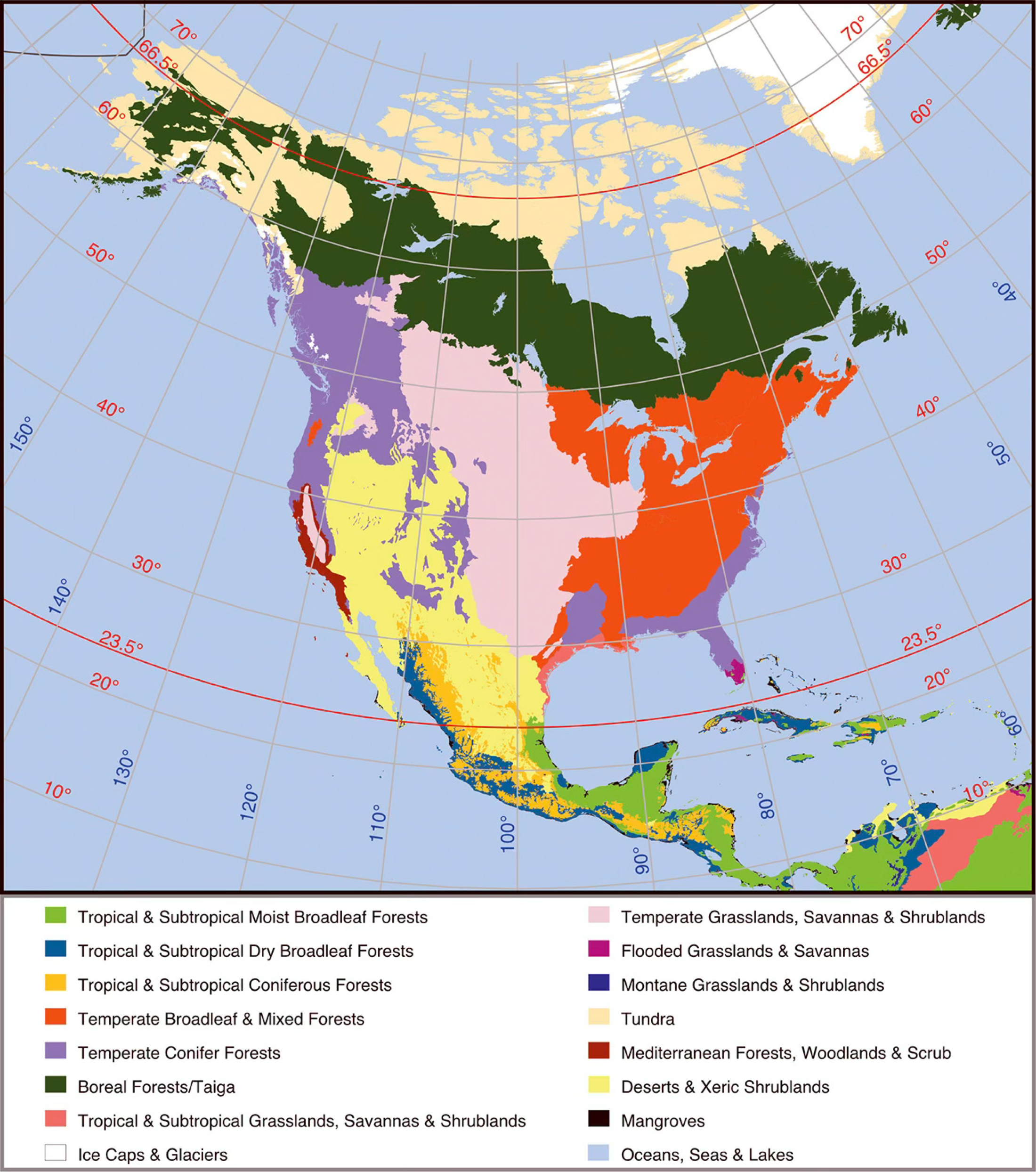
FIGURE 12.36 Distribution of the Earth's fourteen major terrestrial biomes over North and Central America. Image Copyright: Michael Pidwirny, Data Source: Olson, D.M. et al. 2001. Terrestrial ecoregions of the world: A new map of life on Earth. BioScience, 51(11): 933-938.
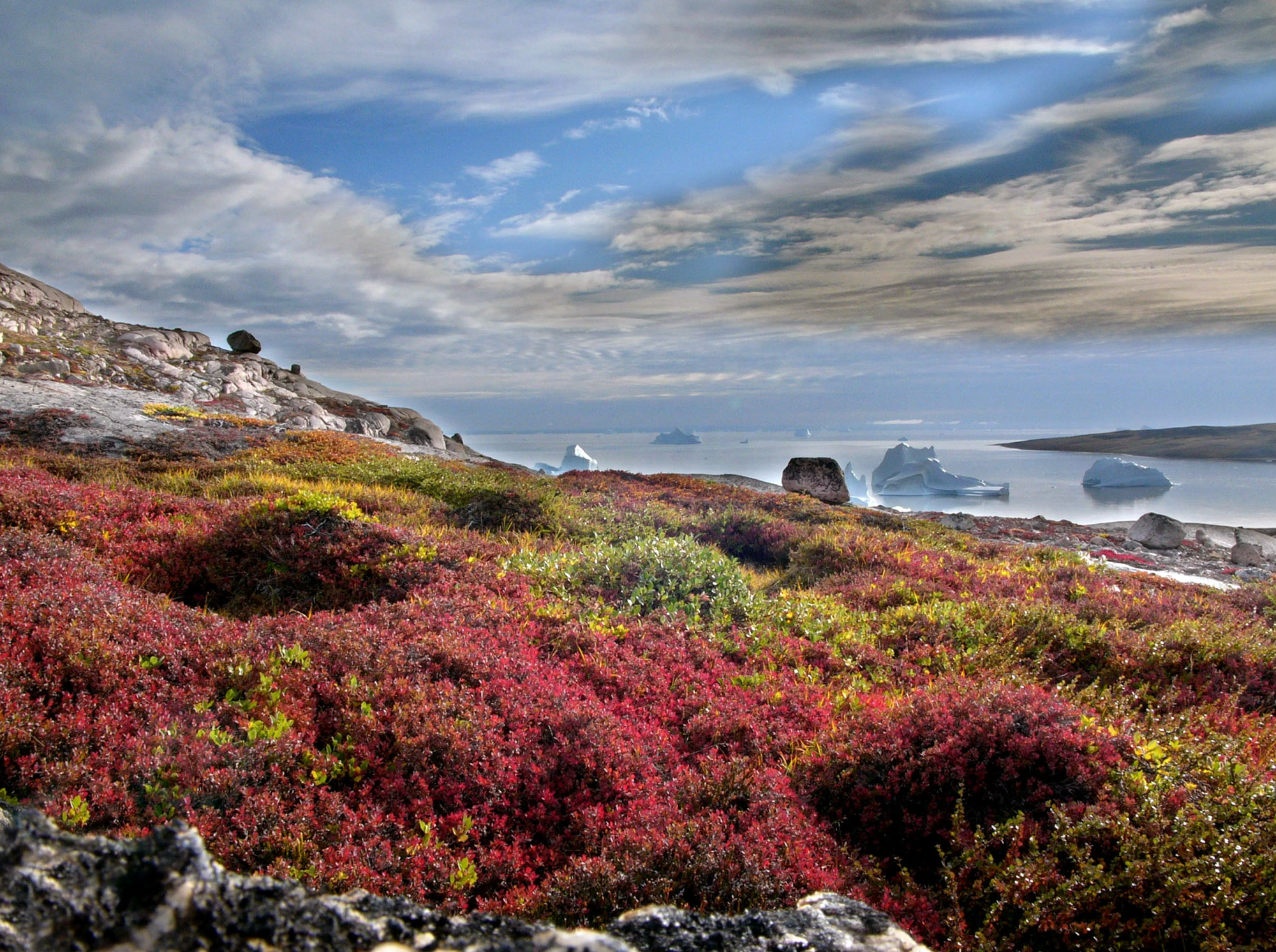
FIGURE 12.27 The dominant vegetation of the Tundra biome includes lichen, moss, and low-lying shrubs. Image Source: Wikimedia Commons, photo by Hannes Grobe. This image is licensed under the Creative Commons Attribution-Share Alike 2.5 Generic license.

FIGURE 12.28 The fur of the Arctic Hare (Lepus arcticus) changes color with the seasons to help it escape predators. In winter, its fur is mainly colored white. Image Source: NOAA.

FIGURE 12.29 Alpine Tundra vegetation on a mountain slope in the Alps of Switzerland. Image Source: Wikimedia Commons, photo by Jack3. This image is licensed under the Creative Commons Attribution-Share Alike 3.0 Unported license.

FIGURE 12.40 Boreal Forest ecosystem in the Canadian Rocky Mountains dominated by White Spruce (Picea glauca) and Subalpine Fir (Abies lasiocarpa). Image Copyright: Michael Pidwirny.

FIGURE 12.41 Looking up the stem of a Red Pine (Pinus resinosa) tree. Image Source: Wikimedia Commons.
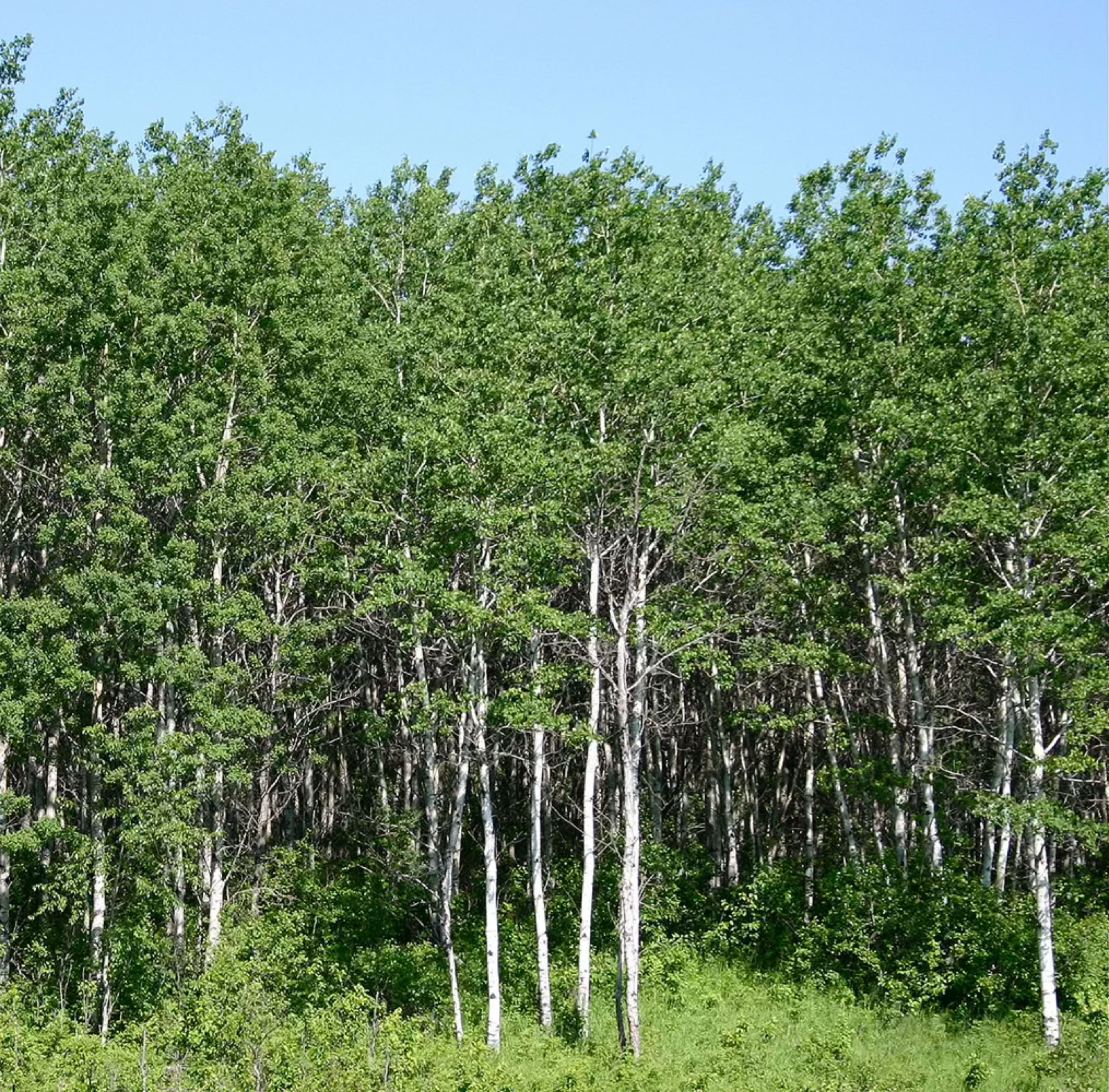
FIGURE 12.42 A grove of aspen trees (Populus tremuloides) located in the Boreal Forest of Manitoba, Canada. Image Copyright: Michael Pidwirny.

FIGURE 12.43 The understory of Boreal Forest ecosystems usually have relatively sparse vegetative growth. Image Copyright: Michael Pidwirny.

FIGURE 12.44 Blueberries are a group of fruit-producing plants that belong to the genus Vaccinium. Many blueberry species live in the understory vegetation of the Boreal Forest biome. Image Copyright: Michael Pidwirny.

FIGURE 12.45 Elk (Cervus canadensis) are large mammals of the deer family that are commonly found in the Boreal Forest and Temperate Coniferous Forest biomes. Shown is a male Rocky Mountain Elk (Cervus canadensis subsp nelsoni). Image Copyright: Michael Pidwirny.

FIGURE 12.46 The Coast Redwood (Sequoia sempervirens) is a needle-leaf evergreen tree that can live for up to 2,000 years. It is considered the tallest tree species in the world, reaching heights of up to 116 m (378 ft). Coast Redwoods are found in areas along the west coast of North America in the Temperate Coniferous Forest biome. Image Copyright: Michael Pidwirny.

FIGURE 12.48 The geographic range of Ponderosa Pine (Pinus ponderosa) extends from southern Canada, western USA, and into Mexico in the North American Cordillera. Image Copyright: Michael Pidwirny.
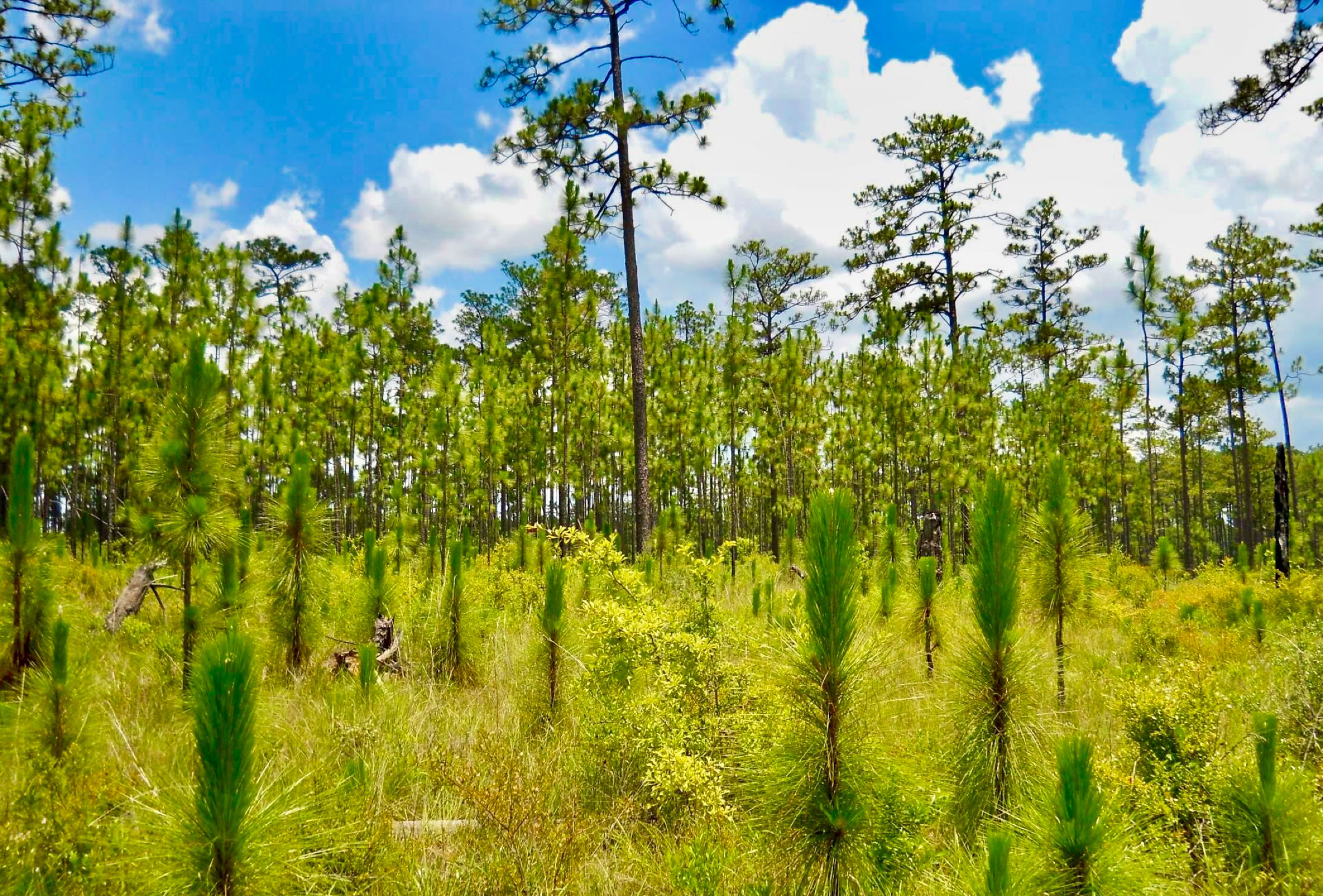
FIGURE 12.49 The Longleaf Pine (Pinus palustris) is a needle-leaf coniferous tree native to the southeast United States. Photo from DeSoto National Forest, Mississippi. Image Source: Wikimedia Commons, photo by Woodlot. This image is licensed under the Creative Commons Attribution-ShareAlike 3.0 License.

FIGURE 12.49 The leaves of trees found in the Temperate Broadleaf and Mixed Forests biome change color in fall and then drop off. Image Copyright: Michael Pidwirny.

FIGURE 12.50 Skunks are a common mammal found in the Temperate Broadleaf and Mixed Forests biome. Image Source: Wikimedia Commons, photo by www.birdphotos.com. This image is licensed under the Creative Commons Attribution-Share Alike 3.0 Unported license.

FIGURE 12.51 Big Bluestem (Andropogon gerardii) is a species of bunch grass that is native to most of the prairies of North America. Image Source: United States Department of Agriculture, Natural Resources Conservation Service.

FIGURE 12.52 Prairies are habitats that are dominated by grass and herbaceous species of plants. Much of this habitat has been modified by grazing or land-use conversion to grow crops like Canola. Image Copyright: Michael Pidwirny.

FIGURE 12.53 The Pronghorn Antelope (Antilocapra americana) is a common grazing animal in the North American Prairies. Image Source: Wikimedia Commons, photo by Tom Koerner, United States Fish and Wildlife Service.

FIGURE 12.54 The Haleakala Silversword (Argyroxiphium sandwicense subsp. macrocephalum) is a uniquely adapted endemic plant that grows at high altitudes only on the island of Maui, Hawaii. Image Copyright: Michael Pidwirny.

FIGURE 12.55 Plants are generally separated from each other by significant areas of bare soil in the Desert and Xeric Shrublands biome. Image Source: Wikimedia Commons, photo by Tomas Castelazo. This image is licensed under the Creative Commons Attribution-Share Alike 3.0 Unported license.

FIGURE 12.56 A species of lizard common to the Desert and Xeric Shrublands biome. Image Copyright: Michael Pidwirny.
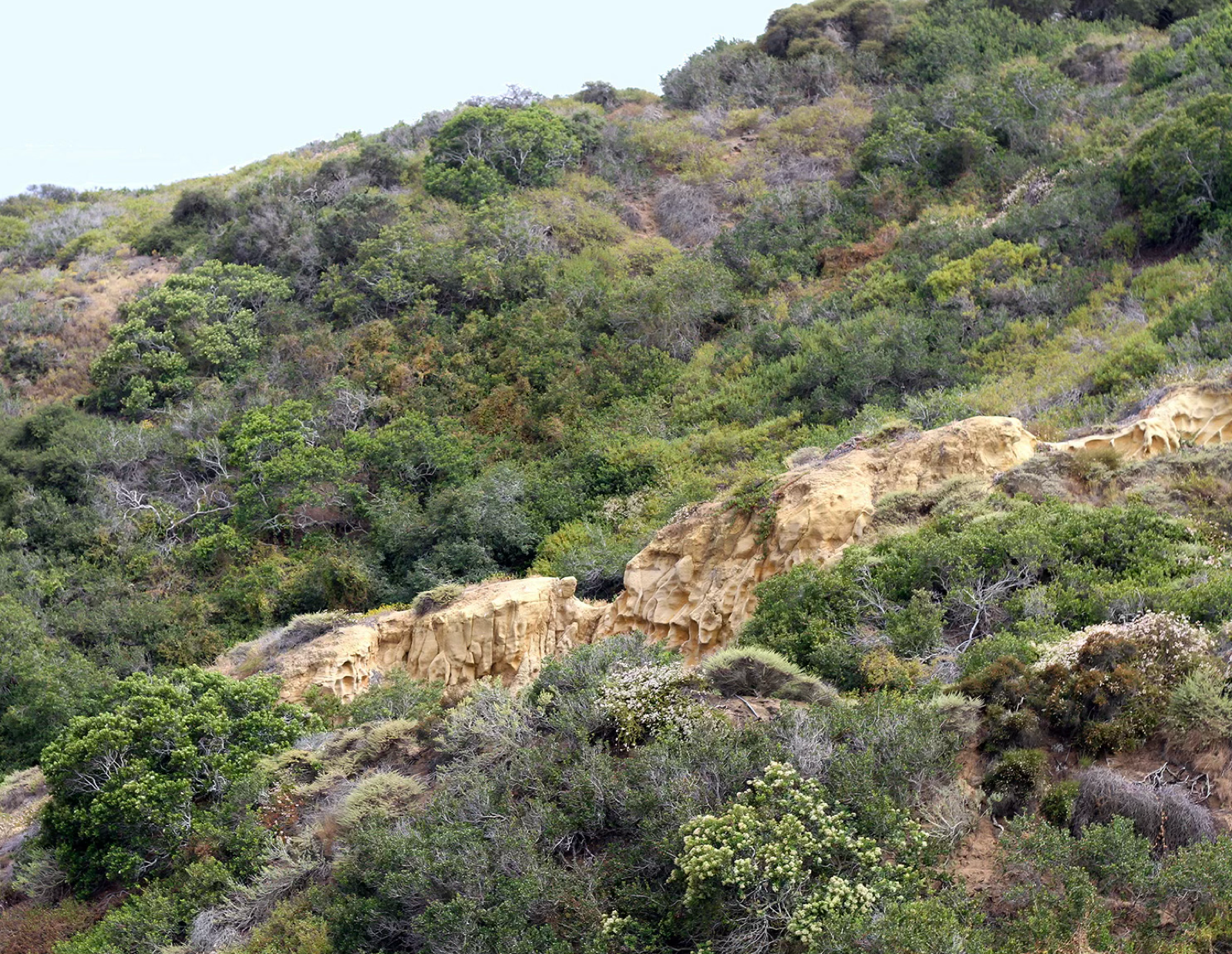
FIGURE 12.57 A photo of the typical vegetation in the Mediterranean Forests, Woodlands and Scrub biome in southern California, USA. Image Copyright: Michael Pidwirny.

FIGURE 12.58 The Savanna biome is characterized by drought-resistant tree and grass plant communities. This biome also supports a diverse community of grazing mammals, such as the Plains Zebra (Equus quagga). This image was taken at the Ngorongoro Crater, Tanzania. Image Source: Wikimedia Commons, photo by Muhammad Mahdi Karim. This image is licensed under the GNU Free Documentation License.

FIGURE 12.59 Elephants are a very large mammal common to the Savannas of Africa and Asia. This photo was taken on the border of the Serengeti and Ngorongoro Conservation Area in Tanzania. Image Source: Wikimedia Commons, photo by nickandmel2006. This image is licensed under the Creative Commons Attribution-Share Alike 2.0 Generic license.
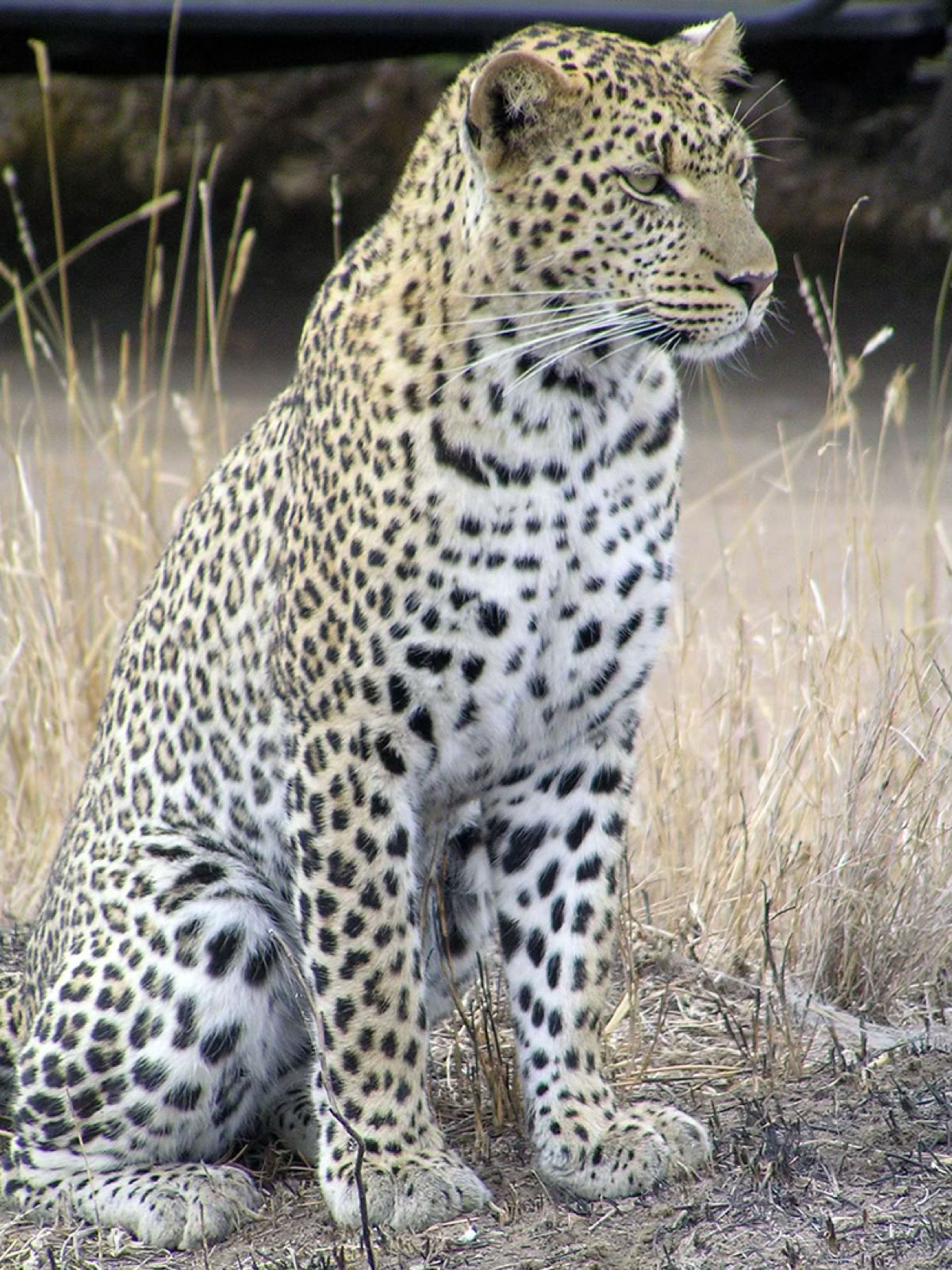
FIGURE 12.60 The Leopard (Panthera pardus) is a member of the Felidae (cat) family and is the smallest of the four species in the genusPanthera, which includes Tigers, Lions, and Jaguars. The Leopard's geographic range has declined significantly due to hunting and habitat loss. It is now primarily found in sub-Saharan Africa. Small fragmented populations of leopards can also be found in Pakistan, India, Sri Lanka, Indochina, Malaysia, and China. Image Source: Wikimedia Commons, photo by Jan Erkamp. This image is licensed under the Creative Commons Attribution-Share Alike 3.0 Unported license.
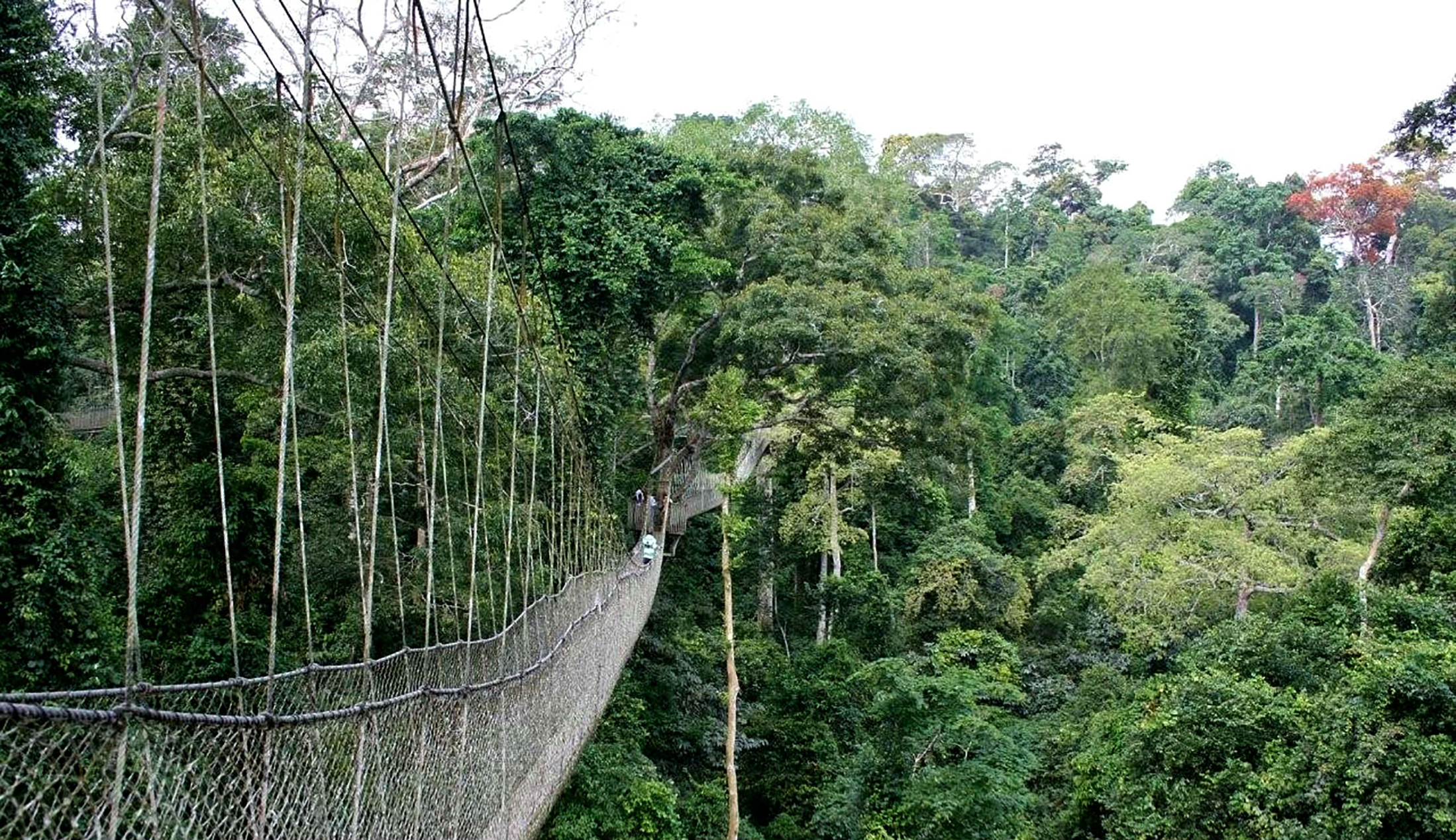
FIGURE 12.61 View of a tropical rainforest canopy from Kakum National Park - Kakum - Ghana. A tropical rainforest consists of a very dense array of tree species that support many animal species and smaller epiphytic plants. Image Source: Wikimedia Commons, photo by Chiappinik.

FIGURE 12.62 Orangutans (Pongo pygmaeus) are primates that are common to the tropical rainforests of Semenggok Forest Reserve, Sarawak, Borneo. Image Source: Wikimedia Commons, Photo by Eleifert.
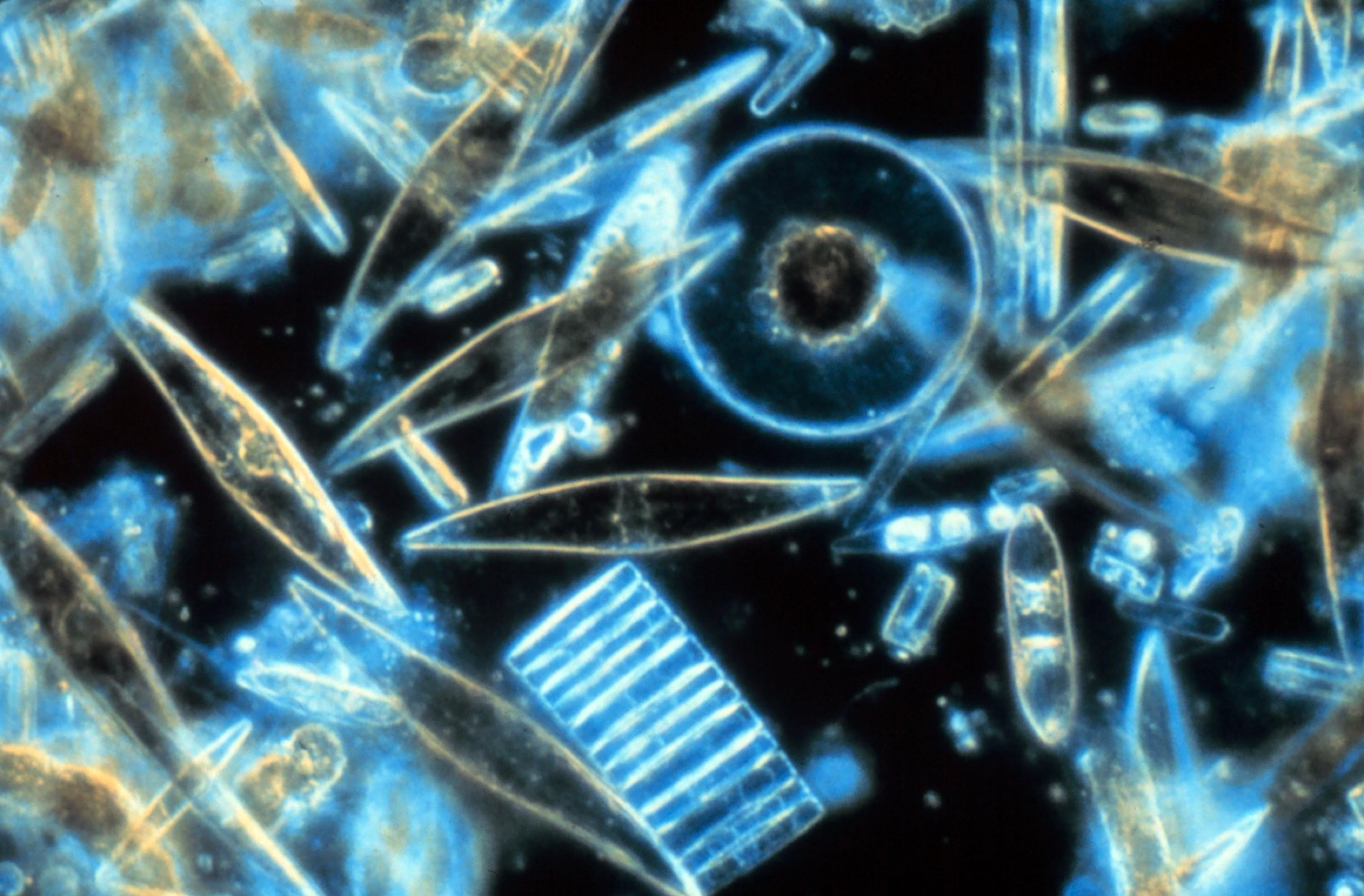
FIGURE 12.63 Assorted phytoplankton as seen through a microscope. These organisms were found living between crystals of annual sea ice collected in McMurdo Sound, Antarctica. Image Source: Wikimedia Commons, NOAA, photo by Gordon T. Taylor, Stony Brook University.
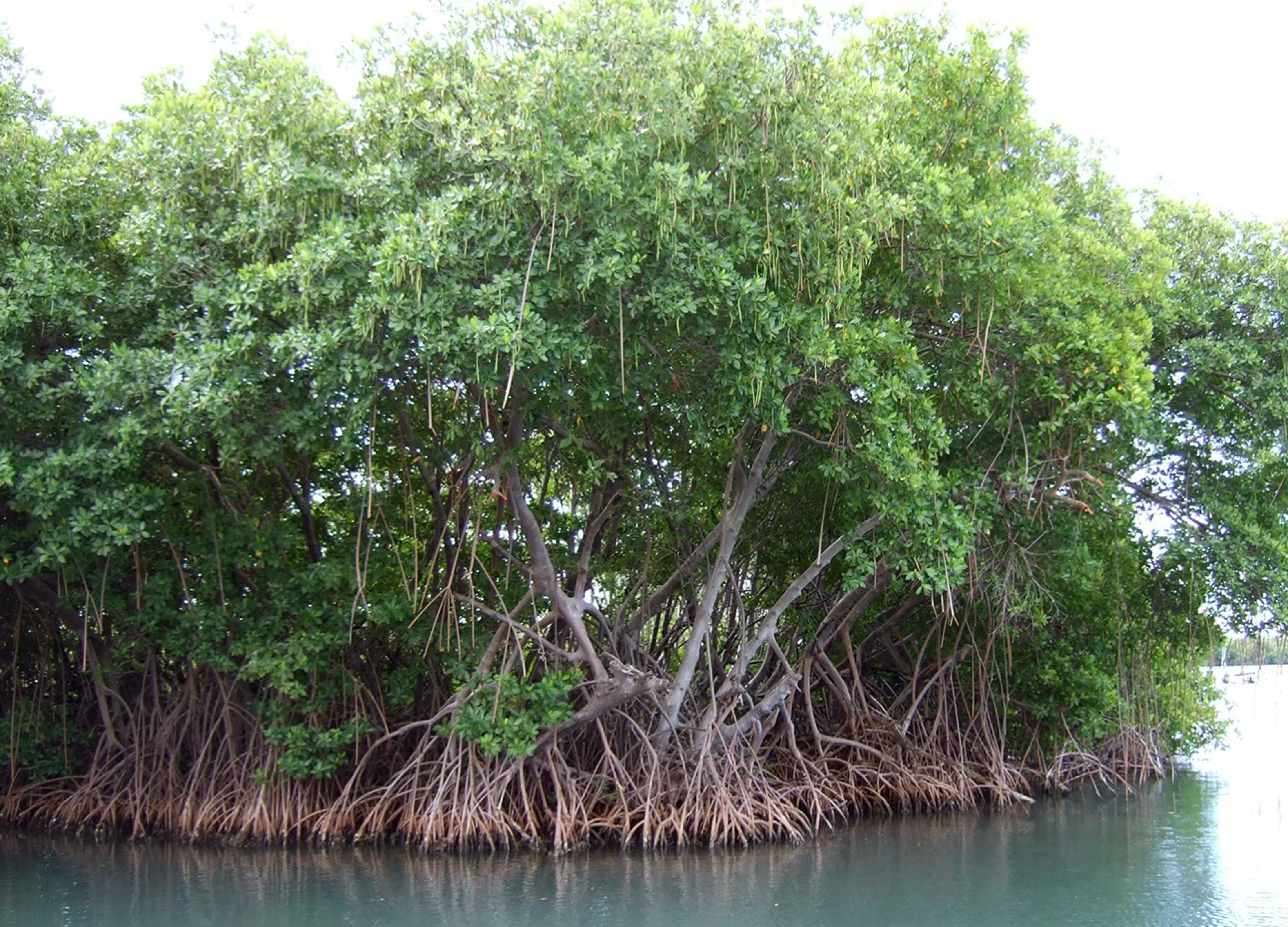
FIGURE 12.64 Mangrove forest in the Salinas Estuary, Puerto Rico. Mangroves are home to several shrub and tree species that have adaptations that enable them to flourish in the intertidal zone along tropical coastlines. These adaptations include physiological features that help overcome the stresses of anoxia, salinity, and frequent tidal inundation. Image Source: Wikimedia Commons, photo by Boricuaeddie. This image is licensed under the Creative Commons Attribution-Share Alike 3.0 Unported license.

FIGURE 12.65 Reinecker Creek is a fast-moving small stream that twists its way through a mature Douglas-Fir (Pseudotsuga menziesii) and Western Red Cedar (Thuja plicata) forest on its way to Shuswap Lake in British Columbia, Canada. One important ecological role of this stream is its use as a spawning site by landlocked salmon, known as Kokanee (Oncorhynchus nerka). From August to December each year, adult Kokanne migrate from Shuswap Lake to streams such as Reinecker Creek to spawn. Image Copyright: Michael Pidwirny.